


How Does the Water and Sewerage Network Work?
The water we use every day has its own journey. Before it reaches your tap, it must be collected, treated, and tested. Once you have used it, the wastewater flows into the sewerage system and then to a wastewater treatment plant.
See how the water supply and sewerage infrastructure works – from water intake to wastewater treatment.
What happens to the water before it reaches your tap? How does water reach local residents? How is it treated and monitored? What happens to it later, when it flows into the sewerage system?
In the video, an expert explains the journey of water and wastewater, as well as the solutions that make it possible to efficiently manage the entire network.
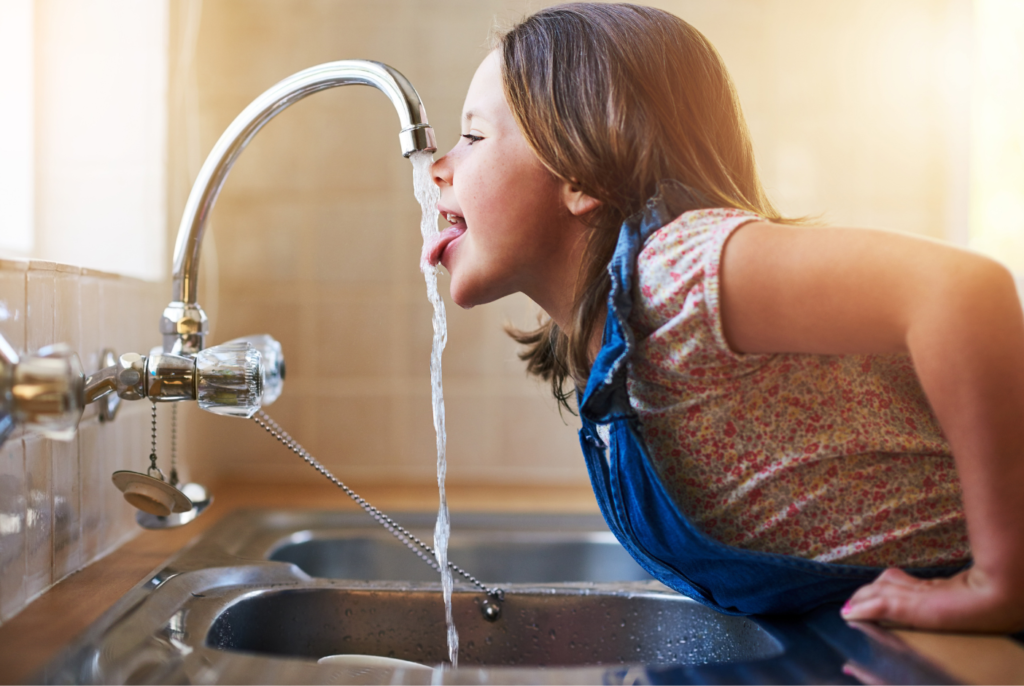
Clean drinking water straight from the tap. Safe, tested, and continuously monitored.
Listen or Read
If you prefer to read the material or would like to revisit its content, you can find the full video transcript below.
Expand transcript
[00:00–00:10] Before water flows through the new network, it passes through the water treatment plant in Borek Stary.
[00:10–00:16] The water comes here from a deep-water intake. It is filtered, disinfected, and tested.
[00:16–00:21] Before it reaches your tap, it undergoes a complete quality control process.
[00:21–00:27] From there, it flows through the new network, with 3,800 metres of pipelines in Kielnarowa and Borek Stary Pustki.
[00:27–00:33] Along the way, a containerised pumping station increases the water pressure so that it can reach every home.
[00:33–00:40] The entire network is managed by a SCADA system. If anything deviates from the norm, we see it immediately.
[00:40–00:45] And when the water has done its job, its second journey begins.
[00:45–00:50] The gravity sewer system carries wastewater to the pumping station on Laurowa Street.
[00:50–00:57] It serves more than 7,000 residents and, as part of the project, has been sealed and modernised.
[00:57–01:04] From there, the wastewater flows to the wastewater treatment plant. It returns to the environment only once it has been properly treated.
[01:04–01:09] And when we plan an interruption to the water supply, we inform residents in advance.
[01:09–01:16] The result? Clean drinking water straight from the tap. Safe, tested, and continuously monitored.
[01:16–01:24] For 30 buildings in Borek Stary Pustki and for the additional homes that will connect to the new network.
[01:24–01:33] All thanks to funding from the Interreg NEXT Poland–Ukraine 2021–2027 Programme.
Water Journey + Quality Control
From the Water Intake to Your Tap
Before water flows through the new network to local residents, it goes through several important stages. As part of the project, 3,800 metres of new water supply network are being constructed in Kielnarowa and Borek Stary – Pustki.
Deep-water intake
The water enters the system from a deep-water intake.
Water Treatment Plant
The water is filtered, disinfected, and prepared for delivery to local residents.
Quality Control
Before it reaches your tap, it undergoes a complete quality control process.
Water Supply Network
The treated water flows through the water supply network to successive consumers.
Pumping Station
The containerised pumping station increases the water pressure so that it can reach every home.
What Happens to the Water Once You’ve Used It?
The water we use in our homes flows into the sewerage system after use. The gravity sewer system carries wastewater away from buildings and directs it to the wastewater pumping station on Laurowa Street. As part of the project, the pumping station was sealed and modernised. It serves more than 7,000 residents.
After passing through the sewerage system, the wastewater is sent to the wastewater treatment plant. There, it is treated before being released back into the environment. This is an important part of protecting the natural environment of the border area from pollution.
Thanks to efficiently operating water and sewerage infrastructure, we can not only enjoy good-quality water but also safely discharge and treat wastewater.
The entire network under constant monitoring
The water supply network must operate efficiently every day. That is why its operation is monitored by a SCADA system. It enables continuous monitoring of the infrastructure and helps quickly identify situations in which parameters deviate from the norm. This allows for a rapid response and efficient network management.
Water Supply Interruption – What to Do?
If a water supply interruption is planned, Eko-Strug informs residents in advance. It is worth remembering three simple steps:
- Check the announcement on the **News** page.
- Fill a jug or bottles with water before the interruption begins.
- After the water supply is restored, turn on the tap and let the water run for a while until it is completely clear.
Water is our shared responsibility – want to learn more?
Modern water supply and sewerage infrastructure provides residents with access to good-quality water, safe wastewater disposal, and helps protect the environment. But the way we use the network every day also matters. Saving water, using the sewerage system responsibly, and avoiding flushing or pouring inappropriate waste into toilets or sinks help protect both the infrastructure and the environment.
Want to learn more about water and how we can take care of it?
Explore the other educational materials prepared as part of the “Good Water Tyczyn – Pustomyty” project.
Water Through a Child’s Eyes
Water is part of our everyday lives, so it is worth learning from an early age how to take care of it. See where water comes from, why it is important not to waste it, and what should never be put down the sewer – all explained from a child’s perspective.

Take Care of Water
Good-quality water and an efficient sewerage system are a shared responsibility. Learn simple rules that help save water, reduce unnecessary consumption, and use the sewerage system properly. Small everyday actions make a difference for all of us and for the environment.